
Bilingual IVR: Why Your Phone System Should Speak English and Spanish
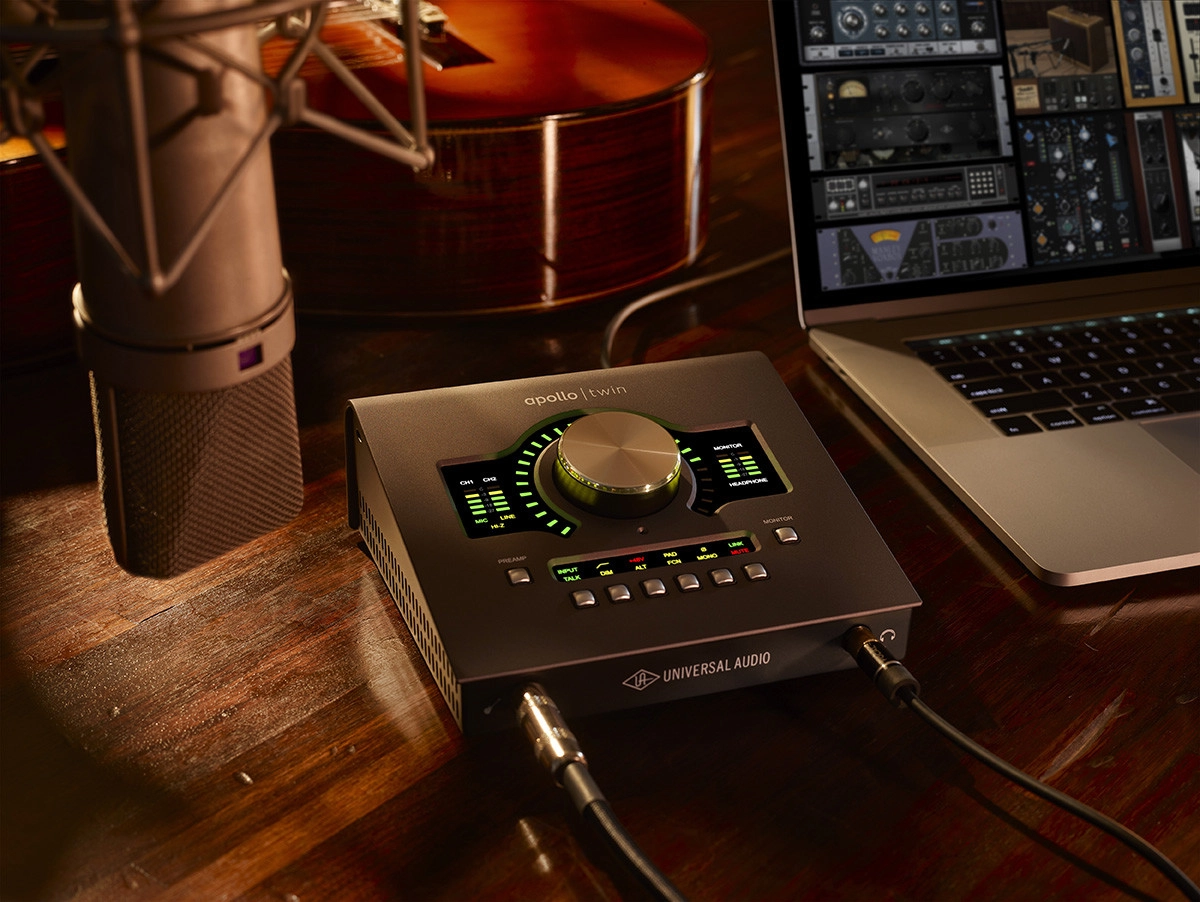
Your IVR — the voice that answers before any human does — is the first impression many customers get of your company. In the United States, where tens of millions of people speak Spanish at home, an English-only phone menu quietly tells a large part of your market: this wasn't built for you.
Why record both languages with the same voice
Many companies solve the Spanish menu with a different vendor, a text-to-speech patch or an employee with a decent voice. The result is a jarring switch: callers press 2 and land in what sounds like a different company. Recording both languages with one bilingual voice keeps your brand consistent — same warmth, same pacing, same personality — whether the caller chose English or Español.
What a complete IVR package includes
- Greeting and main menu in both languages.
- Submenus and routing prompts — departments, hours, locations.
- On-hold messages — the place where most brands miss a sales opportunity.
- After-hours and holiday messages.
- Error and fallback prompts — the unglamorous lines that save calls when a caller presses the wrong key.
Getting the Spanish right
For U.S. callers, Neutral Spanish is usually the right choice: your Spanish-speaking customers come from many countries, and neutral is the accent they all share. Consistent terminology matters too — 'press' can be 'presione' or 'marque', but it should be the same word across every prompt. A good voice actor will flag these choices before recording, not after.
I record bilingual IVR prompts in English and Spanish from my studio, with consistent naming, numbering and delivery across full prompt sets — from a five-line greeting to a complete phone tree.
Frequently Asked Questions
Should IVR prompts be translated literally from English?
No. Good IVR Spanish is adapted, not translated word-for-word: phone conventions differ ('press 2' becomes 'marque 2' or 'presione 2'), and literal translations often run longer than the English, which matters for menu pacing.
What audio format do phone systems need?
It varies by platform. Many PBX and VoIP systems ask for 8kHz mono WAV files, while modern cloud systems accept standard 44.1kHz files. Confirm the spec with your phone provider before the session so files arrive ready to upload.
Can I update just a few prompts later?
Yes — that is normal. Phone trees change constantly. Working with the same voice actor for updates keeps new prompts matching the originals in tone and levels.
Planning a bilingual phone system? Send your prompt list for a quote.
IVR voice over servicesKeep Reading

Stay in Touch
I'd love to share my journey with you — new projects, behind-the-scenes stories, and a little bit of my world behind the microphone. No spam, just a personal note from me.
You can unsubscribe anytime. I respect your privacy.