
How Spanish Dubbing Works: From Casting to the Final Mix
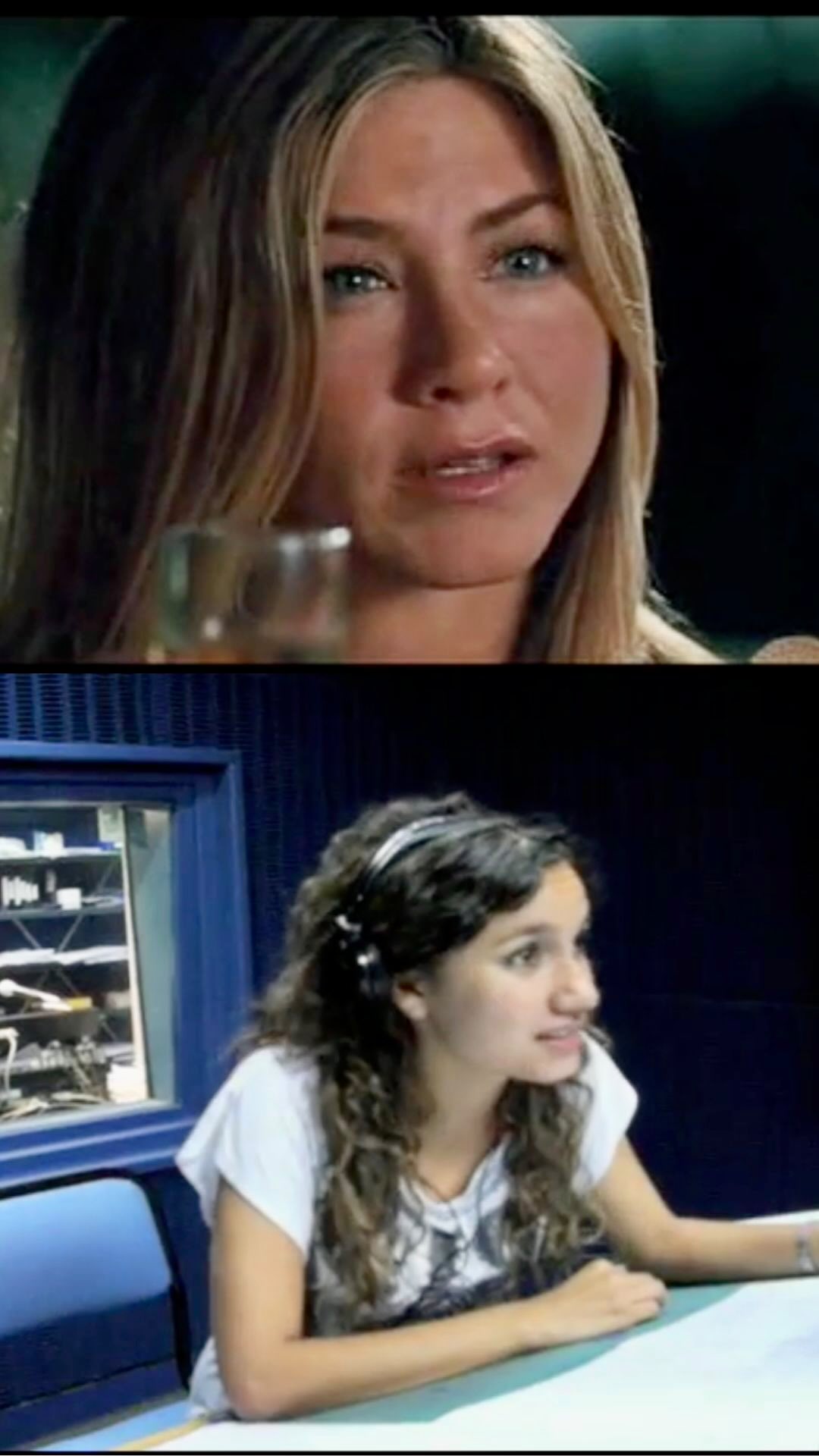
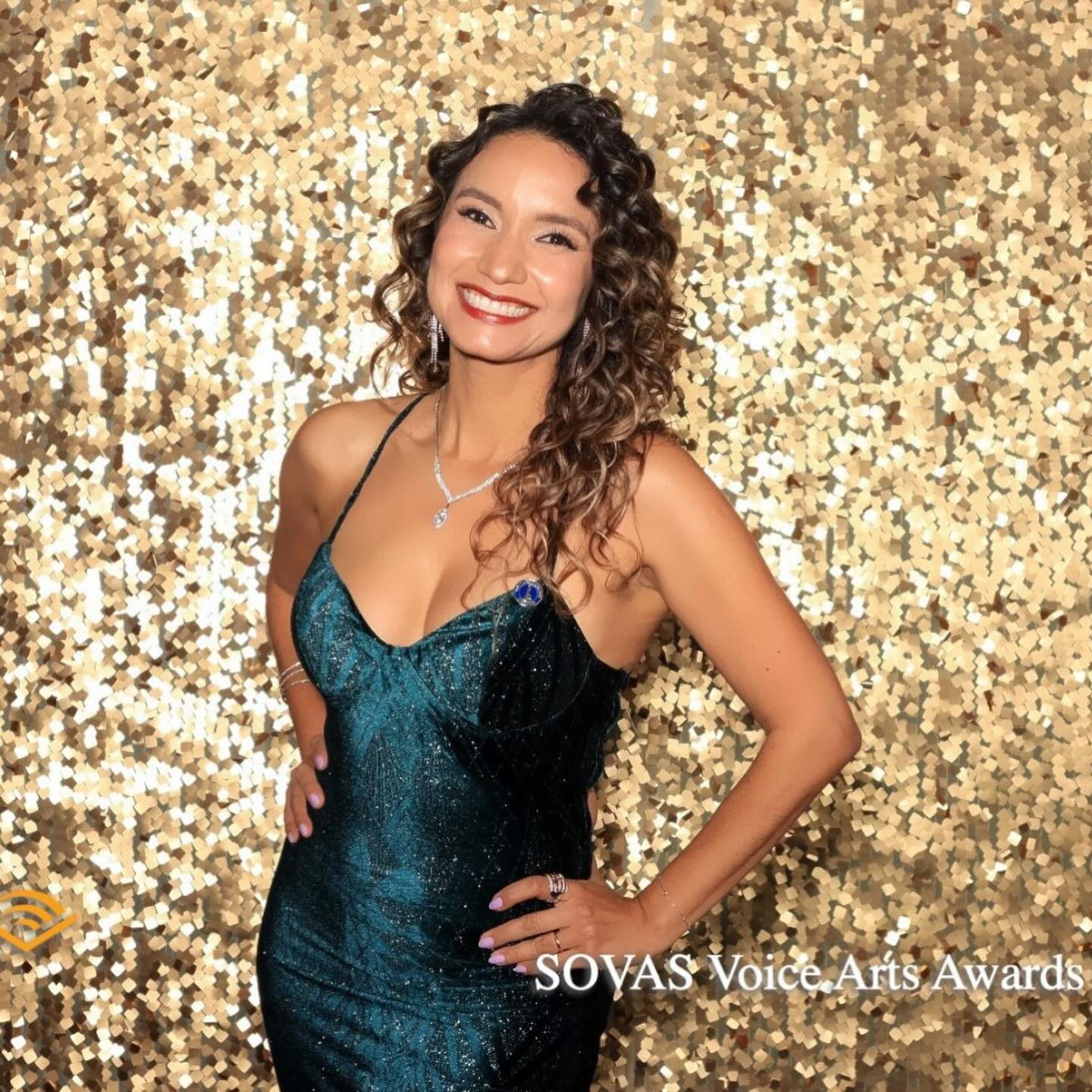
When dubbing is done well, the audience forgets it exists. Margot Robbie simply speaks Spanish. Getting there is a chain of crafts that most viewers — and many clients — never see. Having dubbed actresses like Anne Hathaway, Cameron Diaz, Jennifer Aniston, Jennifer Connelly, Sarah Jessica Parker and Kirsten Dunst, and having won a Voice Arts Award for dubbing Margot Robbie in Bombshell, let me walk you through how it actually works.
Dubbing has stopped being invisible. Clarín — Argentina's biggest newspaper — recently dedicated a full feature to it, 'Hollywood en castellano' by Flavia Tomaello, where I had the honor of being profiled: audiences increasingly choose dubbed versions over subtitles, and the voices behind the characters now have faces and fans. A beautiful sign of how much this craft has grown. If you want to see the full printed feature, I shared it here.
1. Translation and adaptation
A dubbing script is not a translation — it is an adaptation. Every line must carry the same meaning and fit the actor's mouth movements and pauses. Spanish tends to run longer than English, so adapters constantly compress without losing intent. For Latin America, the target is Neutral Spanish — the shared accent I explained in this guide.
2. Casting: matching a voice to a face
The dubbing voice does not need to sound identical to the original — it needs to be believable on that face, matching age, energy and texture. That is why studios build stable actor–voice pairings: audiences bond with the combination, and consistency across films protects the illusion.
3. Direction and the recording session
In the booth, the dubbing actor works line by line against the original performance: same intention, same subtext, same breaths, synchronized to the lip movements. The dubbing director is the guardian of the original — pushing takes until the emotion matches, not just the timing. It is acting in its purest form: you serve someone else's performance.
4. Mix and quality control
The recorded dialogue is then mixed against the international track (music and effects), matched in acoustics to each scene, and reviewed line by line. A single out-of-sync sentence can break two hours of immersion.
What this means if you are hiring
Whether it is a feature film, a series or corporate video localization, the same rules apply: adapt (don't translate), cast for believability, direct for emotion, and never treat sync as an afterthought. If your project needs Spanish dubbing, I bring two decades of exactly this chain of craft.
Frequently Asked Questions
What is the difference between dubbing and voice over?
Voice over replaces or narrates over content without strict lip synchronization — think documentaries or corporate videos. Dubbing replaces the original dialogue entirely and must match the on-screen actor's lips, breaths and emotional performance.
Why is Neutral Spanish used for Latin American dubbing?
One dubbed track needs to serve over 19 countries. Neutral Spanish removes country-specific accents and slang so audiences everywhere accept the voice as their own — it has been the industry standard for decades.
Can dubbing actors work remotely?
Partially. Some productions record remotely with professional home studios under a director's live supervision, while many feature films still require attended sessions in certified studios for security and technical control.
Watch it in action
Need Spanish dubbing for film, TV or streaming content?
Dubbing servicesKeep Reading
Stay in Touch
I'd love to share my journey with you — new projects, behind-the-scenes stories, and a little bit of my world behind the microphone. No spam, just a personal note from me.
You can unsubscribe anytime. I respect your privacy.