
CIVISA Closes Its Doors: a Love Letter to the Studio Where I Learned Dubbing
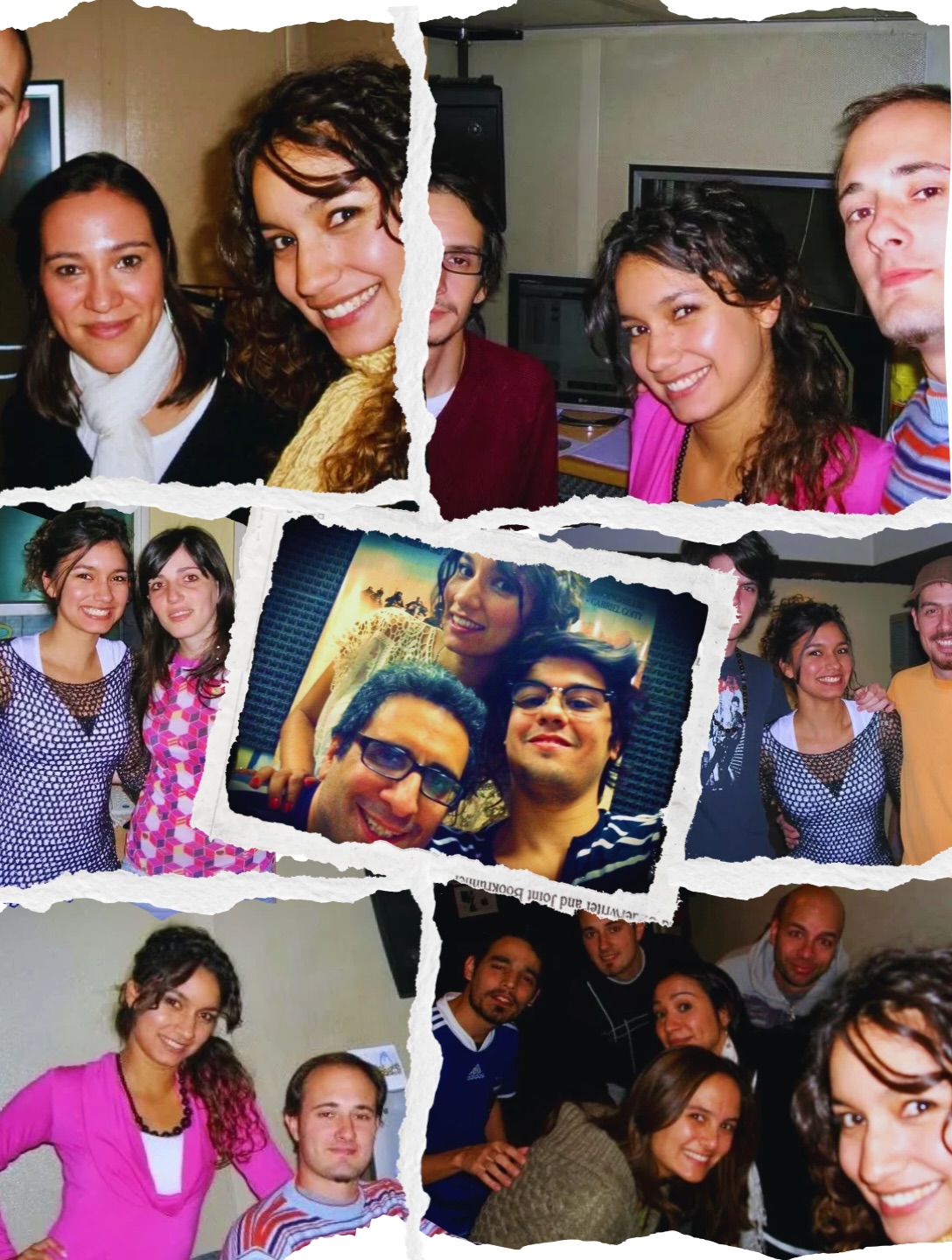
Some places close their doors and stay in our story forever. The closing of CIVISA, one of Argentina's landmark dubbing studios, took me straight back to 2002 — to my beginnings in the world of dubbing.
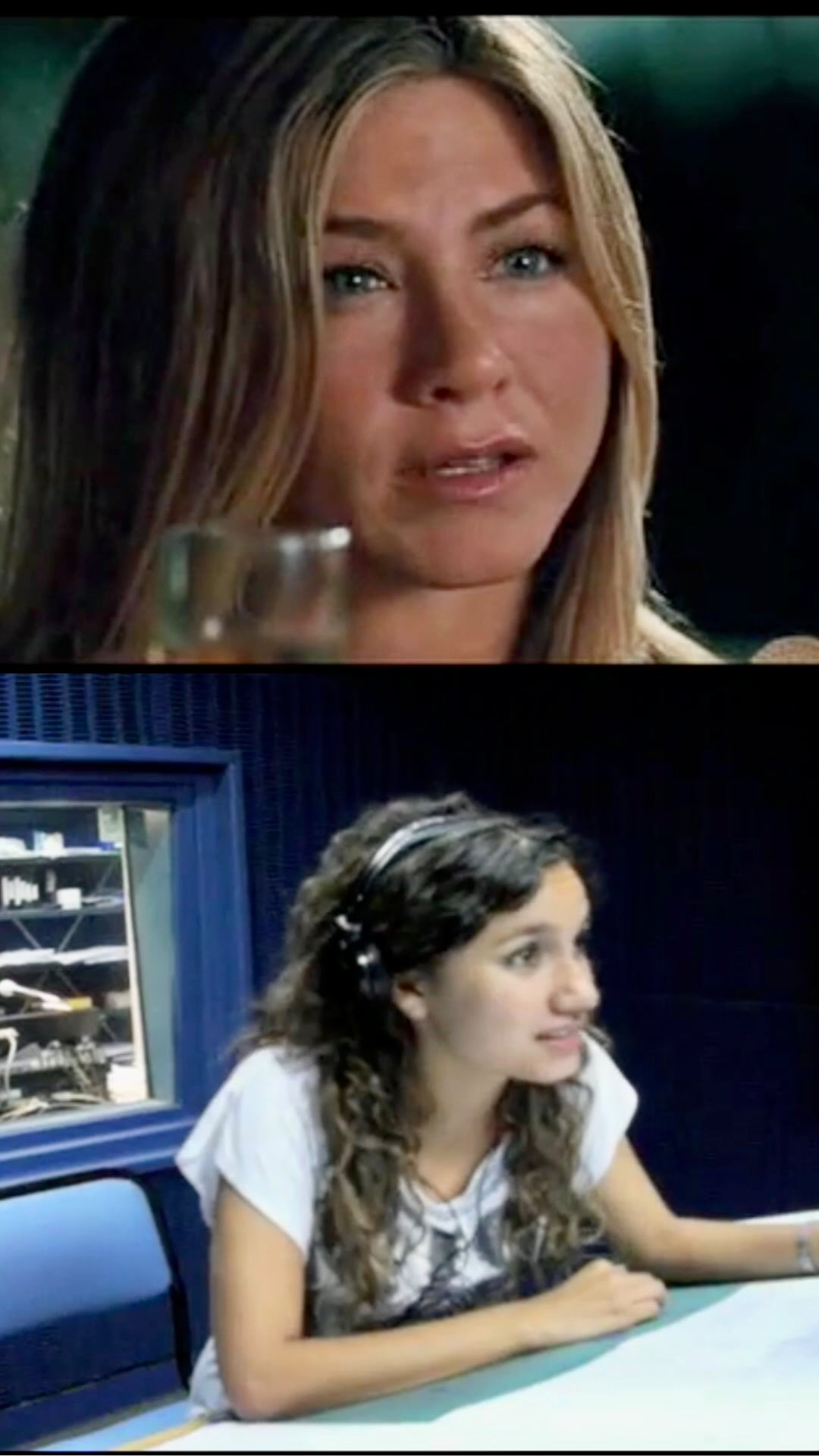
How many lives I lived behind those microphones! I was a girl, a boy, a makeup artist, a doctor of every specialty, a fearless diver, a comedian, and hundreds of characters more. That is what a dubbing studio gives a young actress: a thousand lives a week, and the training that no classroom can replace.
What a studio really holds
The most valuable thing was always the people. Colleagues who became friends, encounters, laughter, and opportunities that shaped my path — I even met my husband there. A studio is never just rooms and equipment: it is a school, a family, and a chapter of the industry's history.
CIVISA's closing also speaks of challenging times for those of us who make a living from this art. It makes me treasure even more every booth, every direction session, every colleague. If you want to see where all those lives behind the microphone led, here is how Spanish dubbing works, from casting to the final mix.
Frequently Asked Questions
What was CIVISA?
CIVISA was one of Argentina's emblematic dubbing studios, where generations of voice actors trained and countless films and series were dubbed into Spanish for Latin America.
Why do dubbing studios matter so much to voice actors?
Because they are the real school of the craft: daily sessions under live direction, a huge variety of characters and genres, and the community of colleagues where careers — and lifelong friendships — are built.
See the original post on Instagram.
Want this experience applied to your project?
Work with meKeep Reading
Stay in Touch
I'd love to share my journey with you — new projects, behind-the-scenes stories, and a little bit of my world behind the microphone. No spam, just a personal note from me.
You can unsubscribe anytime. I respect your privacy.